
Facelift (face rejuvenation)
Face and Neck Rejuvenation
Completely free Confidential Response within 24h
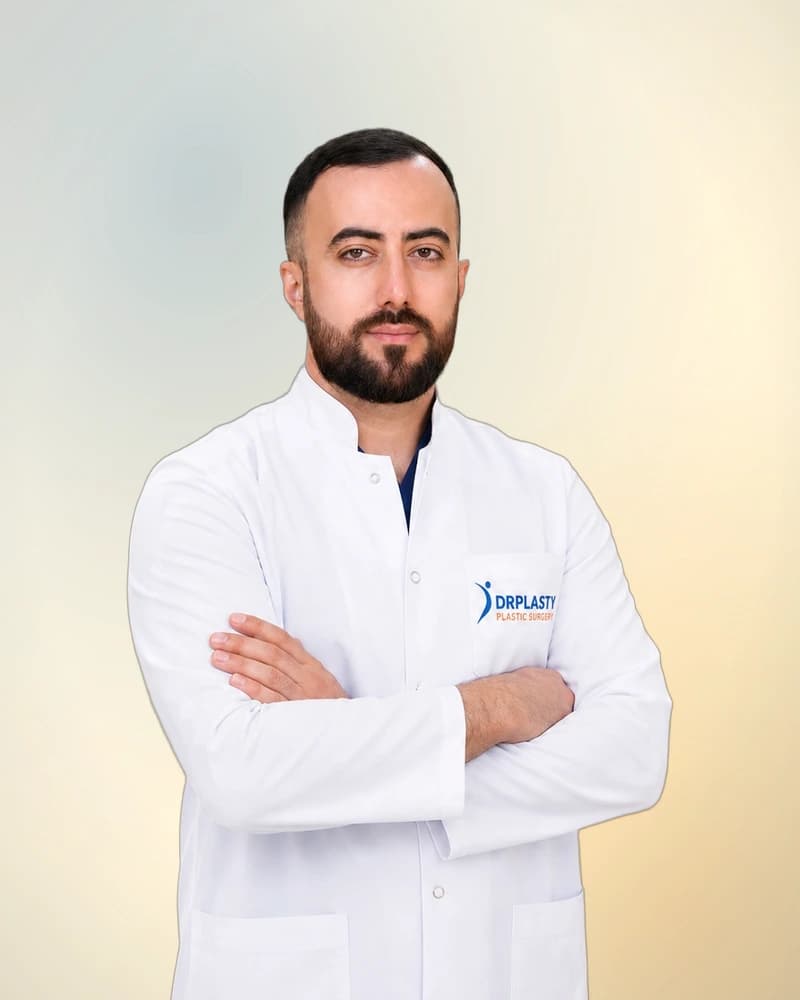
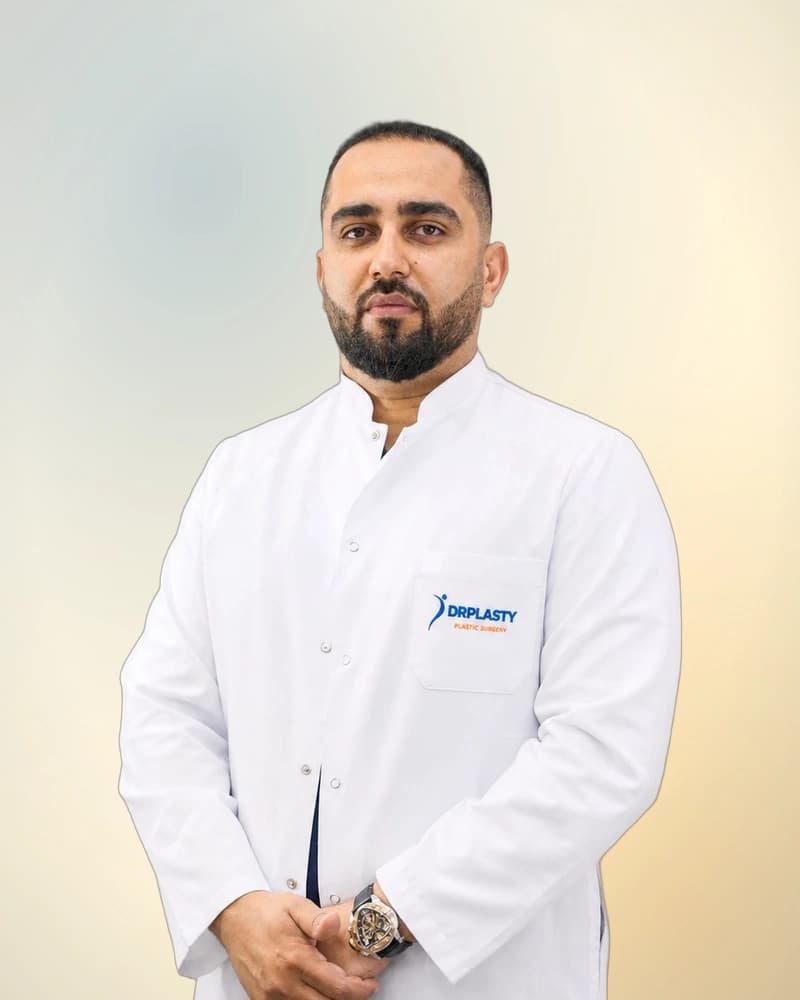
Doctors performing this procedure
Certified experienced specialists. Open the profile and send a request.

About this procedure
Swelling of the muscles and skin associated with aging. It makes your face look younger.
Who is it for?
Suitable
- Individuals in the middle-to-older age group who notice sagging along the face and jawline or looseness in the neck (turkey neck)
- Patients who feel their skin elasticity has decreased, while the underlying bone structure is still in good condition
- Individuals who have lost facial tissue volume due to weight loss or genetic factors and show signs of aging in the cheek and chin area
- Candidates whose general health is suitable for surgery, who do not smoke or are willing to quit
- Patients with realistic expectations of the outcome — wanting the face to look younger and more rested, but not seeking an unrecognizable change
- People who can no longer get satisfactory results from non-surgical methods such as Botox or filler and are seeking a longer-lasting solution
May not be suitable
- People with a bleeding disorder or an uncontrolled chronic illness (uncompensated diabetes, severe cardiovascular problems)
- Heavy smokers who are not prepared to quit before and after surgery — this can seriously hinder the healing process
- Candidates with suspected body dysmorphic disorder or unrealistic expectations of a completely different face
- Younger individuals whose skin elasticity is not yet lost and for whom a less invasive solution (Botox, filler) is sufficient for fine lines only
- Patients with an active skin infection or an uncontrolled dermatological condition (treatment is required first)
- People with severe cardiopulmonary disease that increases anesthesia risk — in such cases a detailed evaluation by an anesthesiologist is needed first
Suitability is confirmed only at a doctor's examination. Results are individual.
The process step by step
- 1
Initial consultation and facial analysis(40-60 minutes)
The plastic surgeon evaluates the degree of sagging, skin elasticity, and bone structure of the face. The patient's expectations are listened to, and the realistic limits of the outcome are explained.
- 2
Medical examination(1-2 days)
Blood tests, cardiovascular assessment, and a general health check for anesthesia are performed. Additional tests may be required depending on age and existing conditions.
- 3
Surgical planning(1 session)
Together with the patient, the choice between classic facelift, mini-facelift, or an extended technique that includes the neck area is finalized.
- 4
Anesthesia(20-30 minutes)
Depending on the scope of the surgery, either general anesthesia or local anesthesia combined with deep sedation is applied.
- 5
Surgery(2.5-5 hours)
Through incisions hidden along the hairline and around the ear, the subcutaneous tissue and muscle layer are tightened and excess skin is removed. The neck area is treated separately if needed.
- 6
Initial recovery and observation(24-48 hours)
The patient may be kept under observation at the clinic for one night. A dressing is applied, and a medication schedule for pain and swelling is prescribed.
Recovery process
Swelling and blue-purple bruising in the face and neck are most visible during this period. The dressing is usually removed within the first few days, and sutures are taken out on day 7-10. A feeling of tightness is normal.
Restriction: Heavy physical activity, bending over, and aggressive hair washing are restricted. Keeping the head elevated while sleeping is recommended.
Most of the swelling subsides and the bruising fades. By the end of this period, most patients can go out in public with makeup covering any remaining marks.
Restriction: Contact sports, sauna, and direct sun exposure are not recommended during this time.
Most of the visible swelling resolves and the facial contour becomes clearer. The incision lines, hidden within the hair and around the ears, begin to fade.
Restriction: It is recommended to avoid strenuous sports activities and activities with a risk of direct impact to the face.
Fine swelling fully resolves, tissues stabilize, and the final result fully emerges. Changes in skin sensation mostly normalize during this period.
Restriction: No special restrictions; daily life is fully normal.
Risks and transparency
Every surgical procedure carries risks. Transparency is the basis of trust for us.
- Swelling and blue-purple bruising — seen in nearly every patient, gradually fades
- Temporary change in sensation (numbness, tingling) around the face and ears, usually resolving over months
- Risk of bleeding, hematoma, or infection (standard probability present in any surgical operation)
- Temporary hair loss around the hairline (rare, usually recovers on its own)
- Possibility of asymmetry or deviation from the expected aesthetic result
- Temporary (very rarely permanent) weakening of the facial nerve — this is explained in detail during the consultation
- General risks associated with anesthesia (standard probabilities present with any general anesthesia)
- Healing speed of the incision line varies depending on skin type and smoking habits
What does the price depend on?
- Chosen technique — classic, mini-facelift, or an extended version including the neck
- Type and duration of anesthesia
- Whether a neck lift is added
- Clinic equipment and stay conditions (room, observation period)
- Surgeon's experience
- Whether the surgery is primary or revision (repeat)
Frequently asked questions
How much does a facelift cost, and what does the price depend on?
The price varies depending on the chosen technique (classic, mini, including the neck), the type of anesthesia, the duration of the surgery, and the clinic. An exact price can only be given after an in-person consultation and examination — you can book a free consultation for this.
Is a facelift painful?
Since the operation is performed under general anesthesia, no pain is felt during the procedure. In the following days there may be tightness and moderate discomfort, which is managed with pain medication prescribed by the doctor.
When can I return to work after the operation?
Office-type work can usually be resumed within 2-3 weeks, once swelling and bruising can be covered with makeup. For physically demanding jobs, an additional few weeks of waiting is recommended.
From what age can a facelift be performed?
There is no specific age requirement — the decision is based more on skin elasticity and the degree of sagging than on age. It is most often requested in the 40-60 age range, but individual assessment is essential.
How long-lasting is the result?
The result of a facelift lasts for several years, since excess skin is removed and tissue is tightened. However, the natural aging process does not stop, and the face may gradually change again as years pass.
Are there any visible scars after the operation?
Since the incisions are hidden within the hairline and around the ears, external visible scarring is minimal. Over time the lines fade and are almost fully covered by hair.
What is the best season for a facelift?
Medically, a specific season is not a requirement; the operation is performed safely year-round. Some patients prefer the autumn-winter months to protect the skin from sun exposure during the swelling period.
Does a facelift also address the neck area?
Yes, if there is looseness in the neck, this area can be treated together in the same operation (sometimes as a separate neck lift). This is decided during the consultation based on an analysis of the face and neck.
Does a facelift replace Botox or filler?
No, a facelift surgically tightens the subcutaneous tissue and muscle, while Botox and filler are non-surgical methods that soften muscle movement or add volume. In many patients the two complement each other and can be applied together, either at the same time or afterward.
Is a change in facial sensation normal after a facelift?
Yes, temporary numbness or tingling around the face and ears is a fairly common temporary occurrence. It usually resolves gradually on its own within a few months.
What is the difference between a mini-facelift and a classic facelift?
A mini-facelift uses smaller incisions and is mainly applied for mild sagging in the cheek and jawline area, with a shorter recovery time. A classic facelift is recommended for more extensive sagging and cases involving the neck area. The choice is based on an individual examination.
Past results
 BeforeAfter
Xalid Avadh - əvvəl və sonra
 BeforeAfter
Xalid Avadh - əvvəl və sonra
 BeforeAfter
Xalid Avadh - əvvəl və sonra
 BeforeAfter
Xalid Avadh - əvvəl və sonra
 BeforeAfter
Xalid Avadh - əvvəl və sonra
 BeforeAfter
Xalid Avadh - əvvəl və sonra
Published with patient consent. Results vary from person to person.
Next step: a free consultation
Fill in the form — our team will contact you within 24 hours with the right specialist, a personal plan and an exact price.
- Completely free, no obligation
- The right specialist for you
- Transparent price — no hidden costs
- Full confidentiality
2 certified specialists perform this procedure
Message us on WhatsAppComing from abroad? Read the trip guide