
Filler Risks and Side Effects: What to Watch For
Common side effects of hyaluronic acid filler, rarer risks, and warning signs that need urgent medical attention are explained in this article.
Medically reviewed by Op. Dr. Elvin Əliyev.
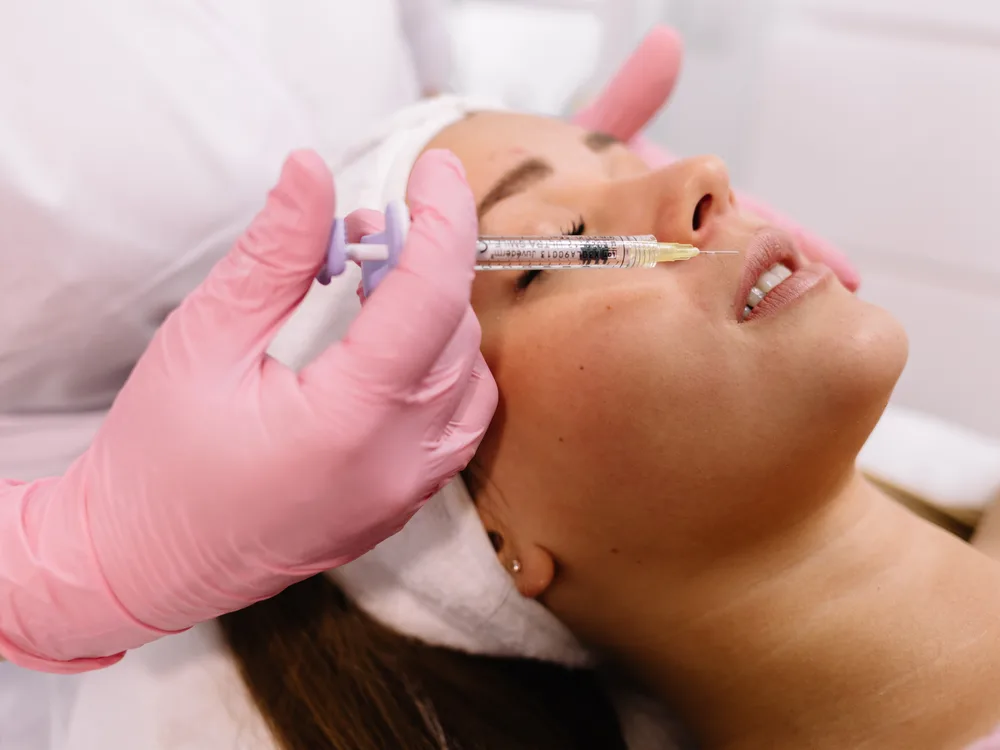
The most common side effects of hyaluronic acid filler are swelling, bruising, and tenderness at the injection site - these usually resolve on their own within a few days and should not cause serious concern for most people. In rare cases, however, more serious risks - such as vascular occlusion - can occur, and this needs immediate medical attention. This article clearly separates and explains both groups of signs - the common ones and the serious ones - because knowing the difference helps you take the right step at the right time.
What are the most common side effects?
The following are considered normal after an injection and usually pass within 3-7 days:
- Swelling at the injection site
- Bruising (especially in vascular areas such as the lips and under the eyes)
- Tenderness and mild pain to the touch
- Redness and temporary firmness
These signs occur to some degree in almost every patient regardless of the filler technique used and are not a cause for concern. Applying a cold compress and avoiding intense physical activity in the first days after the injection can help swelling resolve faster.
What less common risks should you be aware of?
Less common but possible risks include:
- Lumps (nodules): filler can sometimes form small, palpable lumps under the skin.
- Asymmetry: a difference between the two sides can remain even after swelling has resolved.
- Delayed inflammatory reaction: in rare cases, swelling at the injection site can reappear weeks or months later.
- Infection: if proper sterile conditions are not followed, infection can develop at the injection site.
Lumps can sometimes be felt right after the injection and sometimes only weeks later, so any palpable lump should not cause panic, but it should be reported to the doctor. Asymmetry is most often caused by uneven swelling resolution and can settle on its own over time. Most of these risks can be minimized through the doctor's experience and correct technique, but they cannot be eliminated entirely. Waiting 2 weeks for swelling to fully resolve is recommended before judging the final result.
What is vascular occlusion and why is it dangerous?
This is the rarest but most serious complication of filler treatment. If filler material is accidentally injected into a blood vessel or compresses one from outside, blood flow can stop. This can leave tissue without oxygen and cause damage. Areas such as the nose, the glabella, and the nasolabial fold require particularly careful technique because of their dense blood supply, which is why it matters that the doctor knows the anatomy well. Warning signs include:
- Unexpectedly severe, persistent pain (far stronger than typical injection pain)
- A change in skin color - paleness, whitening, or dusky purplish-blue patches
- A sudden cooling of the skin
- A change in vision (blurring, loss of vision) - especially after injections near the nose
If any of these signs appear, you should contact the doctor who performed the treatment or seek emergency medical care immediately, without waiting. Early intervention is critical to preventing tissue damage. When treated promptly, the problem can often be reversed, while delay can make the outcome worse - which is why "I'll wait a bit, it'll pass" is a dangerous mindset with these signs.
What is hyaluronidase and what is it used for?
Hyaluronidase is an enzyme that breaks down hyaluronic acid. If vascular occlusion is suspected, or if a patient is unhappy with the filler result, a doctor can inject this enzyme to partially or fully dissolve the filler. This is one of the key advantages of hyaluronic acid filler - the result can be reversed if needed, which sets it apart from some other filler materials. More information is available on the botox and filler page. Hyaluronidase should only be assessed and administered by a doctor.
What can reduce the risks?
Risk cannot be eliminated entirely, but the following can lower the likelihood of complications:
- Choosing an experienced doctor with the right qualifications who knows the anatomy well
- Giving complete information about any medical conditions and medications before the procedure
- Asking questions about the material and technique to be used during the consultation
- Following aftercare instructions (such as not massaging the area)
- Firmly avoiding filler bought from unofficial online sources and avoiding self-injection at home
You can find information for choosing a suitable doctor in the doctors section, and you should feel free to ask every question openly at the consultation. Understanding the difference between botox and filler can also help you make the right choice - see our botox vs filler comparison for more.
When to see a doctor
You should see a doctor without delay if:
- Pain increases over time instead of decreasing, or is unusually severe
- Paleness, whitening, or dusky purplish-blue skin discoloration appears
- Any change in vision occurs
- Swelling lasts more than 2 weeks or keeps increasing
- Signs of infection appear (redness, warmth, pus-like discharge, fever)
The first three signs are considered a medical emergency and require immediate action. When in doubt, contacting a doctor is safer than "waiting to see," since most of these signs are easier to manage in the first few hours.
Frequently asked questions
How long do bruises last after a filler injection?
Ordinary bruising usually clears within 3-7 days, though individual skin characteristics can make this take somewhat longer. Using cover-up makeup during this time is fine, but the injection site should not be pressed on.
Do filler-related lumps always need to be removed surgically?
No, in most cases lumps are resolved with a hyaluronidase injection, and the need for surgical removal is quite rare.
Does vascular occlusion happen with every injection?
No, this is an extremely rare complication, but because of how serious it is, knowing the warning signs and seeking a doctor immediately if you suspect it matters a great deal.
Is the lip area considered riskier for filler?
Because the area around the lips has a rich blood supply, bruising is somewhat more likely there than in other areas, but this is not a reason to avoid the procedure in this area - it simply calls for extra care. You can read more in our article on lip filler.
This article is for information only and does not replace a medical consultation.
Related procedures
Related articles

Next step: a free consultation
Fill in the form — our team will contact you as soon as possible with the right specialist, a personal plan and an exact price.
Free
Completely free, no obligation
The right doctor
The right specialist for you
Transparent price
Transparent price — no hidden costs
Confidentiality
Full confidentiality