
Veneer types: the difference between E-max, composite and zirconia
How E-max, composite and zirconia veneers differ in durability, tooth preparation and appearance - what to know before choosing.
Medically reviewed by Op. Dr. Elvin Əliyev.
Choosing a veneer type comes down to three factors: how natural and translucent you want the result to look, how much you are willing to have your own teeth prepared (reduced), and how durable the result needs to be. E-max (porcelain), composite and zirconia veneers sit at different points on these three factors - one gives more aesthetics, another gives minimal intervention and speed. Below, each type's features are explained separately, so you know what to ask your dentist at the consultation.
What is an E-max (porcelain) veneer?
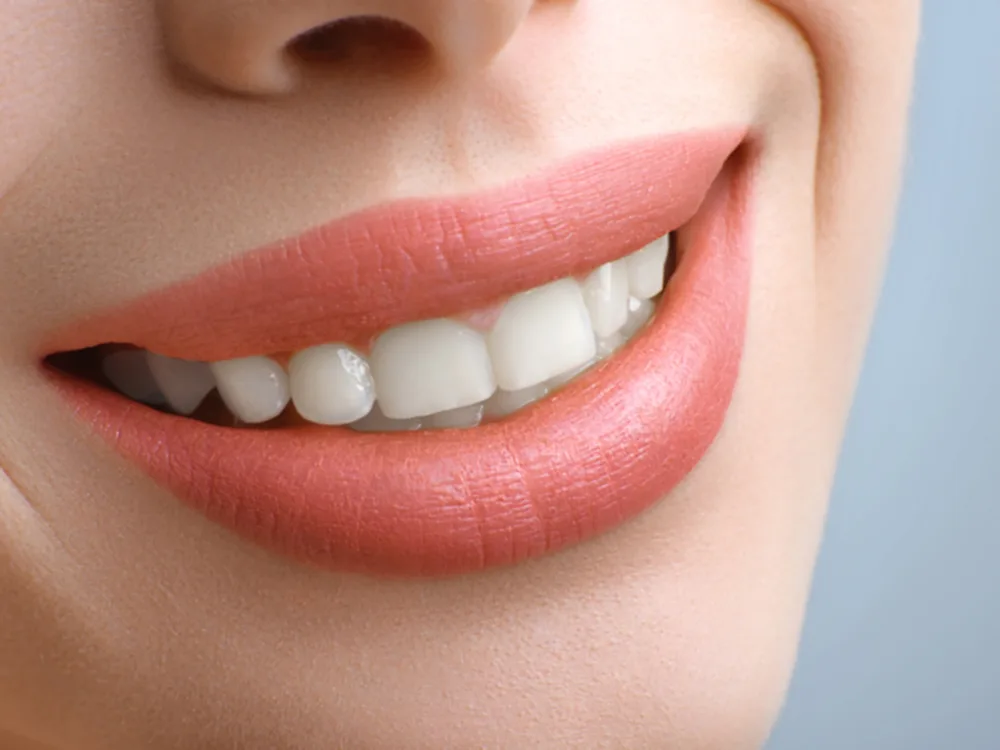
E-max is made from lithium disilicate ceramic, shaped into thin shells. Its main advantage is that it transmits light much like natural tooth enamel, so up close it is hard to tell from a real tooth. This material is usually made in a dental laboratory and bonded to the tooth with a special adhesive.
Fitting a porcelain veneer usually requires removing a thin layer of tooth enamel - this step is irreversible. That is why a dentist needs to assess the condition of the teeth before this decision is made.
Another advantage of E-max is a wide choice of shade and translucency - a dental technician can layer several types of ceramic to match a shade to the neighbouring teeth. This is why the material is often chosen for the front tooth group, where appearance matters most.
What is a composite veneer?
A composite veneer is built directly (chairside) - the dentist shapes it straight onto the tooth from composite resin material. Being able to finish in a single visit is its most practical side.
The advantage of composite is that in many cases little or no enamel is removed at all, which makes it a more reversible choice. However, the material can change shade over time and scratches more easily than porcelain.
The practical side of composite is how easy it is to repair - if a small part chips or changes colour, the dentist can usually fix just that spot rather than replacing the whole veneer. This adds extra convenience for time and budget.
What should you know about zirconia veneers?
Zirconia veneers are less common and are usually recommended for back teeth or cases where extra strength is needed. They are considered stronger than porcelain, but because of their thickness they can sometimes look less translucent, which needs attention when working on front teeth. Choosing zirconia is usually a decision made together with the dentist, based on the specific clinical situation.
For structurally weakened teeth or teeth with a large filling, a dentist may sometimes recommend a full crown instead of a veneer - this needs an individual assessment and should not be confused with choosing a veneer.
Comparing veneer types
| Type | Usually lasts | Tooth preparation |
|---|---|---|
| E-max (porcelain) | 10-15 years | Part of the enamel layer is removed |
| Composite | 5-7 years | Minimal or no preparation |
| Zirconia | 10-15 years or longer | Part of the enamel layer is removed |
No veneer type is "equally right for everyone" - the choice depends on the condition of your teeth, the expected result and your budget.
Which option is more budget-friendly?
In general, composite veneers are considered a more budget-friendly option because the procedure is simpler, while E-max sits in a more premium tier due to the lab work and material cost. Zirconia is usually priced in a similar tier to E-max, depending on the clinical case. An exact estimate is only possible after an examination, depending on the number of teeth and the clinical case - you can read more on this in the article on aesthetic procedure prices.
Which veneer type should you choose?
To make the right choice, it is worth discussing the following factors with your dentist:
- Your current tooth colour and shape - this decision may be made together with whitening, covered in more detail in the whitening vs veneers comparison
- Your history of bruxism (teeth grinding) - this affects the material choice
- How much enamel removal you are willing to accept
- The expected lifespan you need
- Your budget tier and how many teeth are being planned for veneers
Within the Hollywood smile concept, many patients choose veneers not just for a couple of teeth but for the whole front tooth group - the general approach to this is explained on the Hollywood smile procedure page, and who it suits is explained in more detail in a separate article.
Does daily care differ between types?
Regardless of veneer type, the daily brushing and interdental cleaning routine is the same - this is the single most effective way to extend a veneer's lifespan. The difference shows up more in which habits to avoid: people with composite veneers should be more careful with very hard foods, opening packaging with their teeth and staining drinks, since this material scratches and changes shade more easily. Patients with bruxism may be advised a night guard regardless of veneer type.
When to see a doctor
Do not delay a consultation in these cases:
- An existing veneer has cracked or its edge feels rough
- The gum near the veneer edge is red or swollen
- There is pain or hot-cold sensitivity under the veneer
- Tooth and gum health was not assessed before the veneer type was chosen
Frequently asked questions
Can a composite veneer later be replaced with E-max?
Yes, this is usually possible, since composite requires minimal intervention and preserves most of the natural tooth structure. However, every case is different, and this decision should be made after an examination and a fresh assessment by a dentist.
Does the tooth hurt after a veneer is placed?
Short-term sensitivity after preparation, especially to hot and cold, can be considered normal. But if that sensitivity lasts a long time or turns into sharp pain, that ongoing pain is a reason to see a dentist.
Should every tooth get the same veneer type?
This is an acceptable approach, but in some cases a dentist may recommend a different material for different teeth - for example, prioritising aesthetics at the front and strength at the back. This depends on the clinical assessment.
Will a veneer look like a natural tooth?
E-max usually gives the most natural look, since it transmits light like enamel and can be finely matched in shade. The result always depends on the starting condition of the teeth, the material chosen and the dentist's skill.
This article is for information only and does not replace a medical consultation.
Related procedures

Next step: a free consultation
Fill in the form — our team will contact you as soon as possible with the right specialist, a personal plan and an exact price.
Free
Completely free, no obligation
The right doctor
The right specialist for you
Transparent price
Transparent price — no hidden costs
Confidentiality
Full confidentiality