
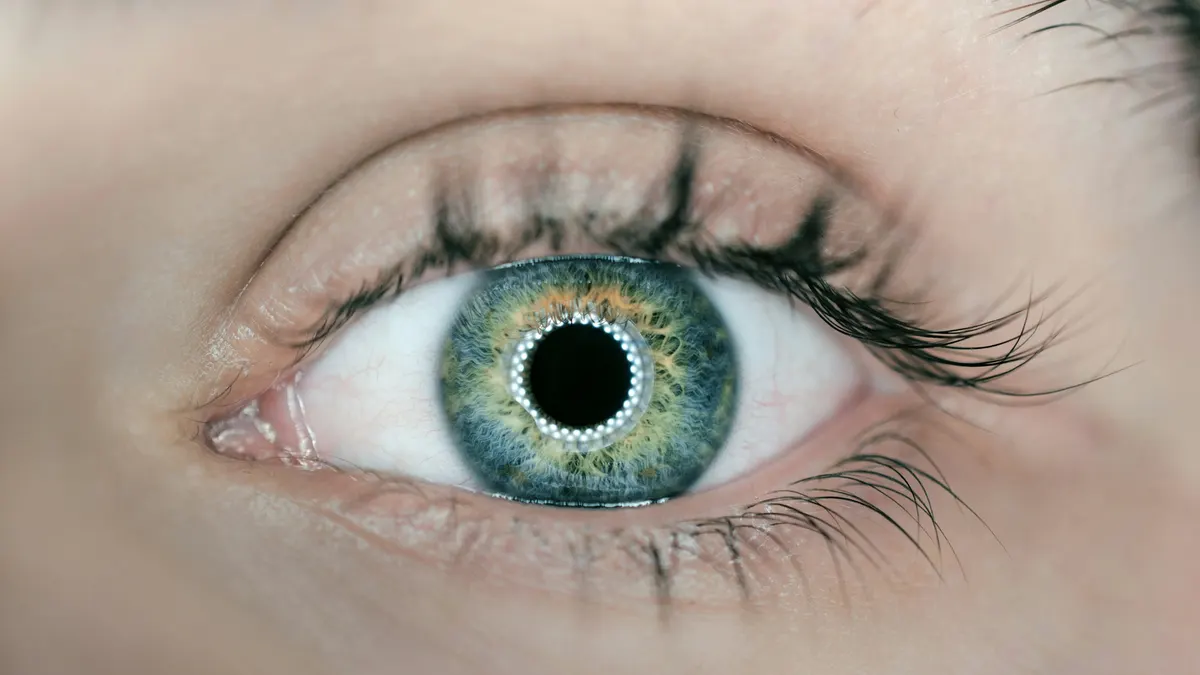
Upper vs Lower Blepharoplasty: What's the Difference?
Upper blepharoplasty treats drooping eyelid skin, lower blepharoplasty fixes under-eye puffiness and bags. Learn the differences here.
Medically reviewed by Op. Dr. Elvin Əliyev.
Upper blepharoplasty removes drooping skin from the upper eyelid and, when needed, excess fat tissue, while lower blepharoplasty treats puffiness, fat bulges and loose skin under the eyes. These are different problems, so the procedures may be done separately or in the same session. Which one is right for you is something a plastic surgeon determines only after an individual examination of the eye area. The two are often confused, since both are called "eyelid surgery," but the tissue they target, the incision location and the recovery course all differ.
What does upper blepharoplasty fix?
With age, the upper eyelid skin loses elasticity and the muscle and fat tissue shift position. The eyelid begins to droop, the eyes look smaller and tired, and in some cases the upper field of vision narrows. This usually becomes noticeable after age 40, though skin structure and genetics can make it happen earlier. Upper blepharoplasty removes this excess skin and, if needed, the fat pad, lightening the eyelid. The incision is usually placed in the natural eyelid crease and becomes barely visible once healed.
Sometimes the true source of upper eyelid drooping is not the eyelid skin but a lowered brow position, and in that case removing eyelid skin alone is not enough. A brow lift is evaluated separately in such cases. During the consultation, the doctor assesses brow position and eyelid skin volume separately to determine which procedure, or both together, is needed.
Signs you may need upper blepharoplasty:
- Eyelid skin rests on the eyelashes
- The eyes look constantly tired or angry
- A sense of narrowed side vision
- Makeup has "no room" on the eyelid
What does lower blepharoplasty fix?
Puffiness, under-eye "bags" and thin, loose skin under the eyes come from a different mechanism — usually the forward shift of fat tissue and weakening of the skin-muscle support. Lower blepharoplasty repositions or reduces this fat and corrects excess skin. The incision is placed either just below the lashes or from inside the eyelid (a transconjunctival approach), which keeps the visible trace to a minimum.
The chosen technique depends on the condition of the tissue under the eyes: if the main issue is only a fat bulge, a transconjunctival approach is usually enough and leaves no visible outer incision. If the skin itself is also loose, an additional thin skin incision may be needed. This choice is made entirely on an individual basis.
Upper vs lower blepharoplasty: the key differences
| Feature | Upper blepharoplasty | Lower blepharoplasty |
|---|---|---|
| What it fixes | Drooping skin, heaviness, limited vision | Puffiness, fat bulges, loose skin |
| Incision location | In the natural eyelid crease | Below the lashes or transconjunctival |
| Main result | A more open, effortless look | A more rested, less tired appearance |
Can both be done at the same time?
Yes, in many cases upper and lower blepharoplasty are performed in the same session, especially when signs are present on both eyelids at once. This does not meaningfully extend anesthesia or recovery time, since both areas are addressed within one procedure. Treating only one eyelid will not correct a problem on the other, so when both are affected the surgeon usually plans them together. Depending on the extent of the procedure and the patient's preference, local anesthesia with sedation or general anesthesia may be used — this choice is discussed with the doctor beforehand. When done in the same session, the patient goes through a single recovery period, which can be more convenient than two separate procedures.
Upper and lower blepharoplasty solve different problems, so the right choice is only made after an individual examination of the eye area.
Is recovery different for each?
The recovery process is similar, but the timing differs slightly. After upper blepharoplasty, stitches are usually removed within 5-7 days, and swelling and bruising noticeably fade within 1-2 weeks. With lower blepharoplasty, especially when a skin incision is used, bruising can linger a bit longer — usually 2-3 weeks. When both are done in the same session, returning to work and light makeup is typically planned around 10-14 days. Tissue fully settling into its final result usually takes 3-6 months for either procedure. The day-by-day plan is covered in blepharoplasty recovery. During recovery, keeping the head slightly elevated and avoiding eye irritation is a general recommendation for both procedures. Individual healing speed depends on skin elasticity, age and overall health.
When to see a doctor
- A sudden change in vision or persistent blurriness
- Inability to fully close the eye
- Swelling that increases instead of easing, redness or pus
- High fever or worsening pain
- Stitches opening earlier than expected
If any of these signs appear, contact the surgeon who performed the procedure without delay. Unlike ordinary swelling and bruising, these signs point to an unplanned development and need a separate evaluation.
Frequently asked questions
Are upper and lower blepharoplasty the same procedure?
No. Upper blepharoplasty removes drooping skin from the upper eyelid, while lower blepharoplasty treats puffiness and loose skin under the eyes. They are sometimes done in the same session, but they target different problems, and the result for each is judged separately.
Will lower blepharoplasty alone remove dark circles?
The procedure corrects puffiness and excess skin, but skin discoloration is not always fully resolved. Depending on the cause, additional approaches may be needed — more on this in under-eye bags and dark circles.
At what age can blepharoplasty be done?
There is no fixed age limit — the decision is based on skin condition, eyelid function and the patient's overall health. Under-eye puffiness can also appear at a young age for genetic reasons, so age alone is not the criterion. This is assessed during an individual examination.
Can I wear glasses after the surgery?
Regular glasses are usually not a problem, and the timing for resuming contact lenses is covered in blepharoplasty recovery. General information is on the blepharoplasty page. You can book a consultation through Dr Plasty.
This article is for information only and does not replace a medical consultation.
Related procedures


Next step: a free consultation
Fill in the form — our team will contact you as soon as possible with the right specialist, a personal plan and an exact price.
Free
Completely free, no obligation
The right doctor
The right specialist for you
Transparent price
Transparent price — no hidden costs
Confidentiality
Full confidentiality